The Importance of Transmission Maintenance
Transmission maintenance is a critical yet often underestimated component of overall vehicle care. While many drivers stay diligent about oil changes, tire rotations, and brake inspections, the transmission system frequently receives attention only after a problem arises. This is unfortunate, as the transmission is one of the most complex and essential systems in any vehicle, responsible for delivering engine power to the wheels and enabling smooth gear changes.
Without consistent maintenance, even a well-built transmission can experience excessive wear, overheating, or mechanical failure. These issues not only affect drivability but can also lead to expensive repairs and prolonged downtime. Understanding the value of regular transmission maintenance, recognizing early warning signs, and knowing when to consult a qualified transmission mechanic can significantly extend the life of your vehicle and help you avoid unnecessary costs.
Why Is Regular Transmission Maintenance Necessary?
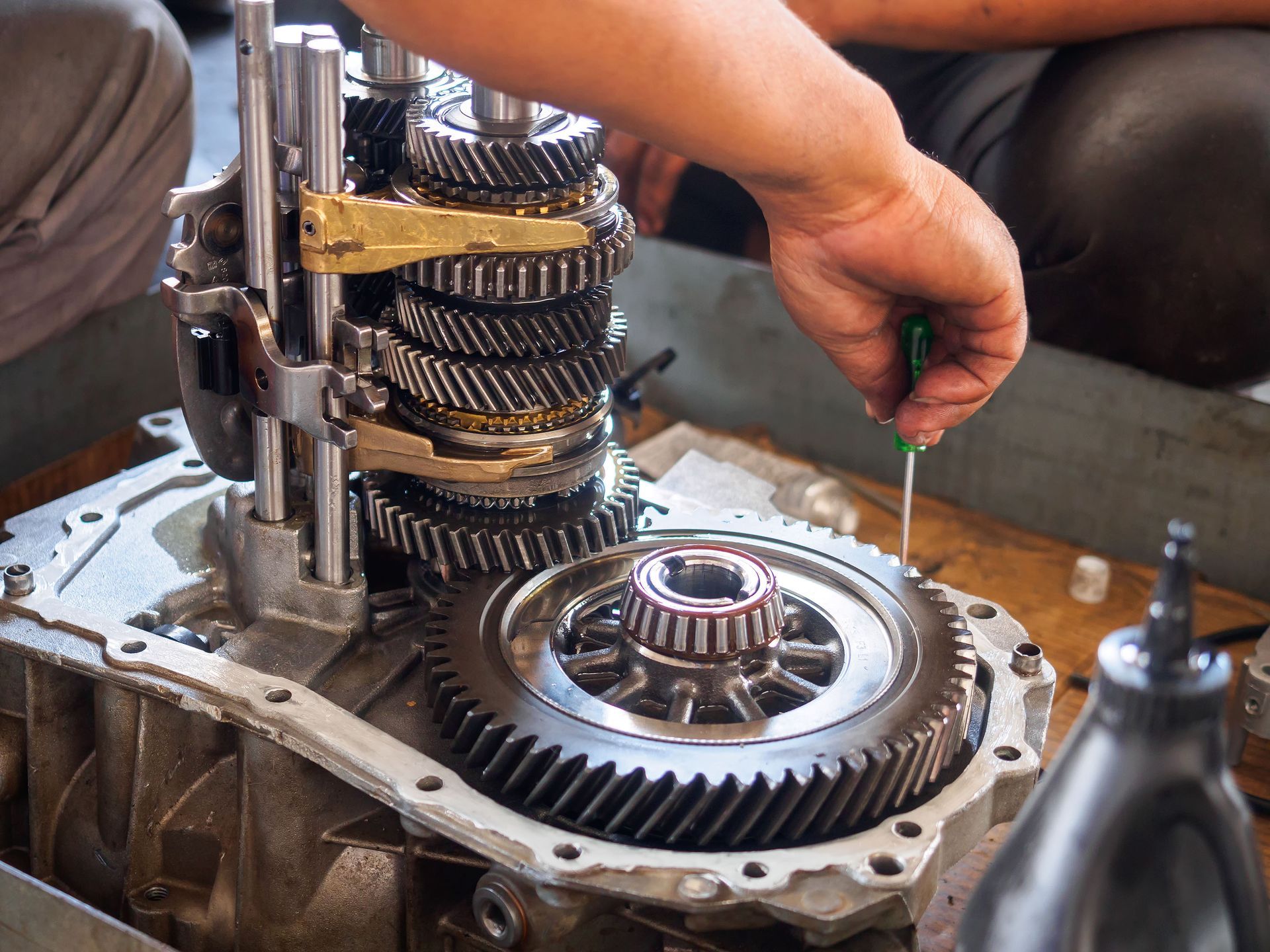
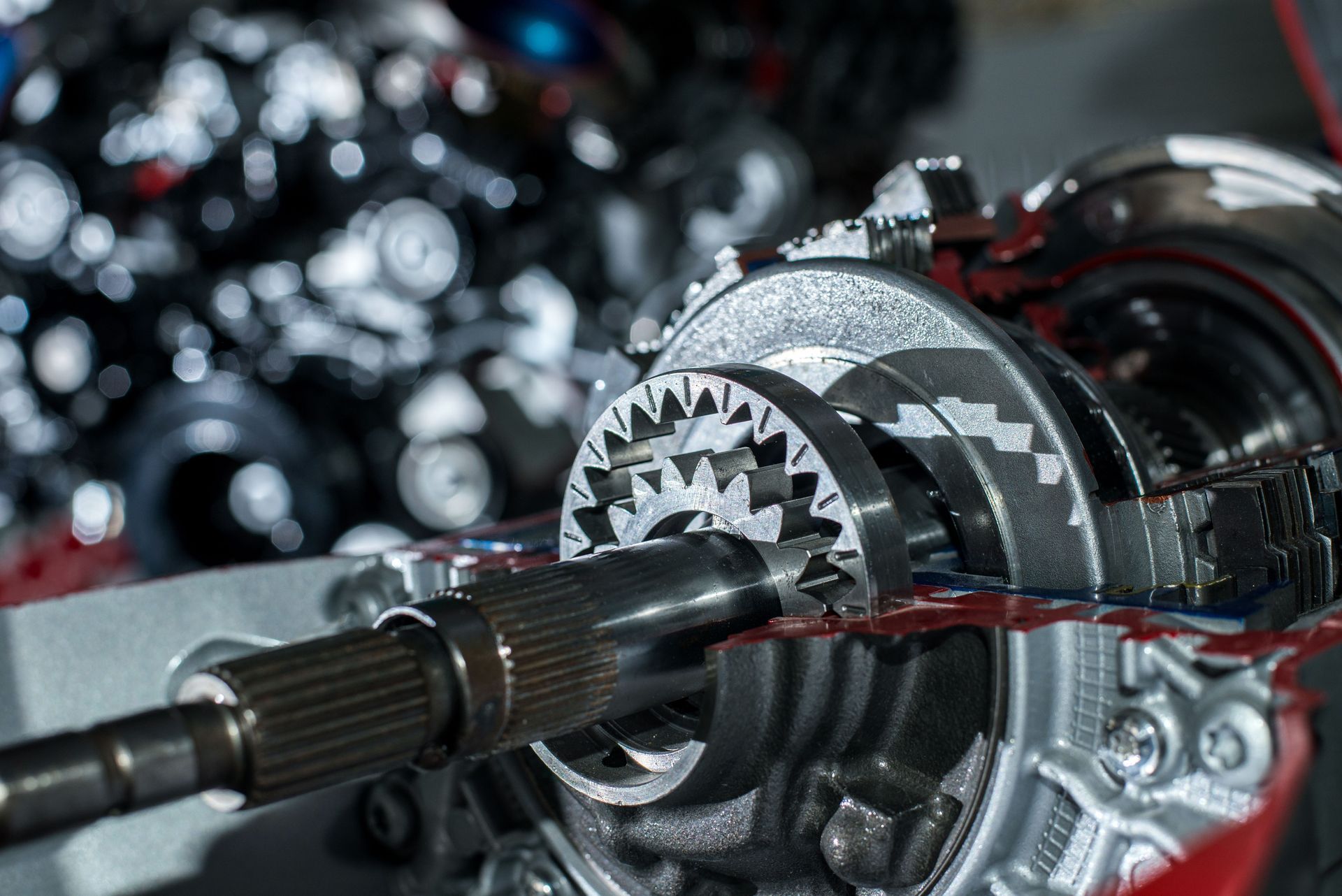
Regular transmission maintenance is necessary because the system operates under constant pressure, friction, and heat. Each time a vehicle accelerates, decelerates, or changes gears, internal transmission components work together in precise coordination, relying on complex mechanisms such as clutches, bands, and planetary gear sets. Transmission fluid plays a vital role in this process by lubricating parts, dissipating heat, and maintaining hydraulic pressure for smooth shifting, helping to prevent premature wear and ensuring consistent performance.
Over time, transmission fluid degrades and becomes contaminated with metal particles and debris created by normal wear. As fluid quality declines, the transmission must work harder, increasing friction and heat, which can lead to accelerated component wear or even system failure if ignored. According to automotive guidance cited by Cars.com, factory-recommended automatic transmission fluid change intervals have historically ranged from roughly 30,000 to 100,000 miles, depending on the vehicle and driving conditions. This wide range underscores how driving habits, climate, and load demands can dramatically affect maintenance needs, making personalized, vehicle-specific service essential.
Regular inspections and servicing performed by a transmission mechanic help ensure that fluid remains clean, components stay properly lubricated, and minor issues are identified early. Professional maintenance also allows mechanics to detect signs of wear that may not yet be noticeable to the driver, such as subtle pressure inconsistencies or minor leaks. Skipping routine maintenance increases the risk of slipping gears, delayed engagement, overheating, and internal damage, all of which shorten the transmission’s lifespan and compromise vehicle reliability. By staying proactive, vehicle owners can avoid costly repairs and maintain smoother, safer operation over the long term.
What Are the Signs of Transmission Issues?
Transmission problems rarely appear without warning, but their early signs can be subtle and easy to overlook during everyday driving. One of the most noticeable indicators is hesitation during gear changes, particularly when accelerating or shifting between lower gears. If your vehicle takes longer than usual to shift or feels jerky when changing gears, it may be a sign of low fluid levels, degraded fluid quality, or internal wear that is disrupting smooth operation.
Unusual noises are another common symptom that should never be ignored. Whining, grinding, or clunking sounds during acceleration or shifting should prompt an immediate inspection by a transmission mechanic, as these noises often signal mechanical stress within the system. In many cases, they point to worn gears, damaged bearings, or insufficient lubrication that can worsen quickly if left unaddressed.
Fluid leaks are also a serious concern and often indicate developing transmission issues. Transmission fluid is typically red or dark brown and has a slightly sweet or burnt odor, making it easier to distinguish from other automotive fluids. Puddles beneath your vehicle may suggest leaking seals, cracked hoses, or damaged transmission lines that reduce fluid levels over time. Other warning signs include a burning smell, difficulty staying in gear, or the illumination of the check engine light. While this warning can point to many issues, transmission-related faults are common and should not be ignored. Addressing these symptoms early helps preserve internal components, maintain drivability, and prevent minor problems from escalating into major mechanical failures.
Should I Perform Transmission Maintenance Myself or Visit a Transmission Mechanic?
Some vehicle owners are comfortable handling basic maintenance tasks, but transmission service often requires specialized knowledge and tools. While checking fluid levels may be straightforward on older vehicles, many modern cars feature sealed transmission systems that require professional equipment for inspection and servicing.
Improper maintenance can do more harm than good. Using the wrong type of transmission fluid, overfilling or underfilling the system, or failing to properly clean components can lead to performance issues and long-term damage. A trained transmission mechanic understands the specific requirements of different transmission designs and follows manufacturer-recommended procedures.
Professional service also allows for comprehensive diagnostics. A transmission mechanic can identify developing problems such as worn clutch packs, failing sensors, or hydraulic pressure irregularities that may not be apparent to the average driver. While do-it-yourself maintenance may seem cost-effective initially, professional care often saves money over time by preventing breakdowns and extending the transmission’s operational life.
What Are the Costs Associated With Transmission Repairs?
Transmission repair costs can vary widely depending on the nature and severity of the issue. Routine maintenance services such as fluid changes, inspections, and filter replacements are relatively affordable and play a key role in preventing major failures. These services are minor investments compared to the cost of repairing extensive internal damage.
More serious issues, such as replacing damaged components or rebuilding the transmission, can be expensive and labor-intensive. Costs are influenced by factors such as vehicle make and model, transmission type, and the extent of the damage. Consulting a transmission mechanic early often helps limit repair expenses by addressing problems before they worsen.
Preventive maintenance is the most effective way to control long-term costs. Regular visits to a transmission mechanic allow for early detection of wear and fluid degradation, reducing the likelihood of sudden failures. Spreading maintenance costs over time is far more manageable than facing an unexpected, high-dollar repair resulting from neglected service.
How Can I Choose a Reliable Transmission Mechanic?
Selecting the right professional is one of the most important decisions vehicle owners can make when it comes to transmission care. Not all automotive technicians specialize in transmissions, so it is essential to look for a transmission mechanic with dedicated experience and training in this area.
Certifications, years of hands-on experience, and customer reviews can provide valuable insight into a mechanic’s qualifications. A reputable transmission mechanic should be transparent about diagnostic findings, explain recommended services clearly, and provide written estimates without pressure.
Communication is another key factor. A reliable transmission mechanic takes the time to answer questions, discuss maintenance schedules, and explain how driving habits may affect transmission health. Recommendations from trusted sources and positive online feedback can also help identify professionals who consistently deliver quality service. Building a long-term relationship with a knowledgeable transmission mechanic can contribute significantly to your vehicle’s performance and longevity.
Transmission maintenance is not just about preventing breakdowns; it is about preserving performance, efficiency, and safety. By understanding the importance of regular service, recognizing early warning signs, and working with a qualified
transmission mechanic, vehicle owners can avoid costly repairs and extend the life of their transmission. Staying proactive and informed ensures smoother driving, improved reliability, and greater confidence on the road for years to come. If you want to keep your transmission in good working order, reach out to the professionals at Gray’s Transmission Inc today!

Share On: